Court Advises Against Adverse Remarks on Judicial Officers, Stresses In-House Mechanisms for Addressing Judicial Flaws
In a significant ruling, the Madhya Pradesh High Court has underscored the importance of exercising caution and restraint in its supervisory jurisdiction under Article 227 of the Constitution of India. The court advised against making adverse or disparaging remarks against Judicial Officers in its orders, emphasizing that such remarks could demoralize the district judiciary and negatively impact the careers of individual officers.
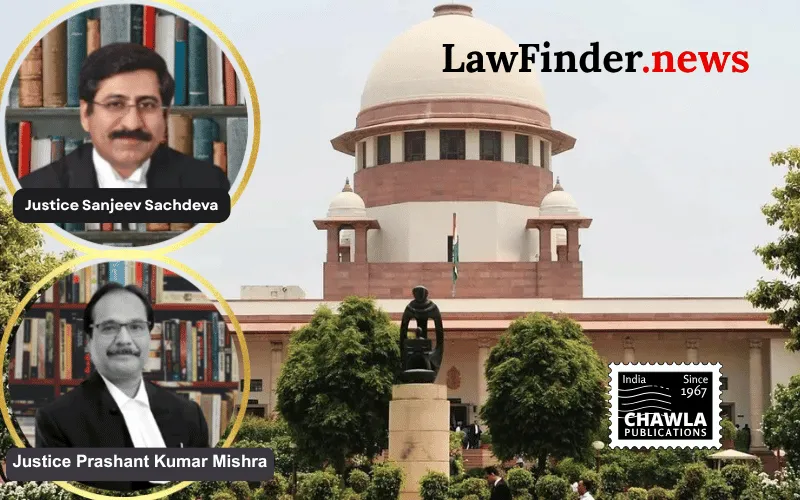
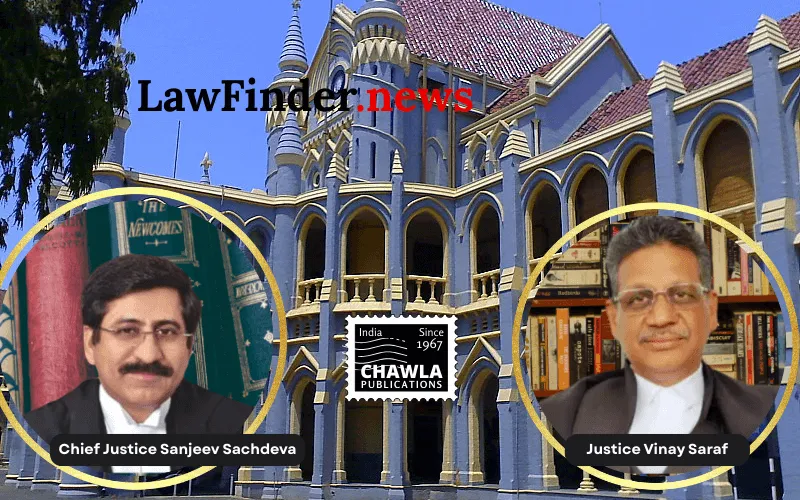
This pronouncement came in response to a suo moto writ petition, initiated following observations made by a Single Judge at the Gwalior Bench. The bench, comprising Chief Justice Shri Sanjeev Sachdeva and Justice Vinay Saraf, reiterated the need for High Courts to employ in-house mechanisms for addressing any perceived flaws or infirmities in orders passed by trial Judges.
The court cited a recent Supreme Court judgment in Shuvendu Saha v. State of West Bengal, which highlighted the detrimental effects of adverse remarks on Judicial Officers and advocated for nurturing guidance rather than punitive measures. The Supreme Court had also pointed out that disparaging remarks could lead to career setbacks and demoralization across the district judiciary.
The Madhya Pradesh High Court, in alignment with these observations, has an established procedure whereby any such remarks or recommendations in judicial orders are referred to the Administrative Committee for consideration and follow-up. This ensures that any issues are addressed internally without resorting to public reprimands that could harm judicial morale.
Reflecting on the case at hand, the court decided to recall a previous order directing the Registrar General to approach the Supreme Court, opting instead to allow the Administrative Committee to handle the matter internally. This decision marks a reaffirmation of the court’s commitment to nurturing a supportive environment for Judicial Officers while maintaining the integrity and quality of judicial proceedings.
The proceedings of the case were formally closed with instructions for further actions to be guided by the Administrative Committee's recommendations and the Competent Authority.
Bottom Line:
High Court's supervisory jurisdiction under Article 227 of the Constitution must be exercised with care and caution, avoiding adverse or disparaging remarks against Judicial Officers. An in-house mechanism should be utilized to address flaws or infirmities in judicial orders.
Statutory provision(s): Article 227 of the Constitution of India